Drone photography for B2B brands: how to plan images that actually sell
Author: Wojciech Patelka
Aerial images are not decoration
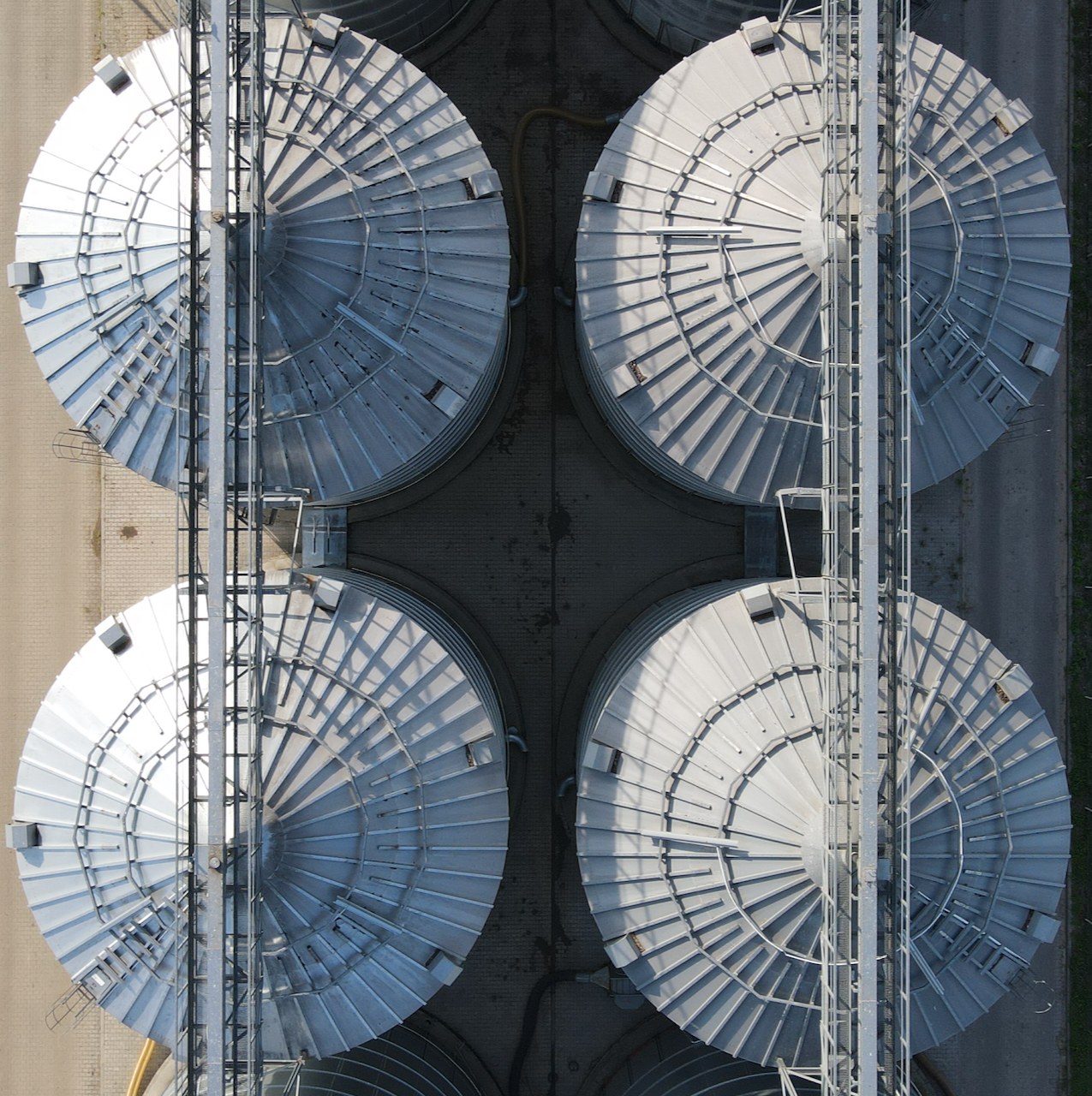
For many industrial, logistics, manufacturing, and agricultural brands, a drone image does something a normal camera cannot do quickly: it explains scale. In one frame the viewer can understand the site, the infrastructure, the access roads, the storage area, the distance between buildings, and the fact that the company is real, active, and organised.
That is why drone photography works best when it is planned as business communication, not as a nice extra shot from above. The question is not only “can we fly there?”. The better question is: “what should this image help a customer, investor, recruit, or partner understand faster?”.
Start with the channels, not the drone
Before the shoot, list the places where the images will be used. A website hero needs a wide composition with quiet space for text. A LinkedIn carousel needs several tighter frames that explain one idea at a time. A catalogue or tender document may need clean, literal images that show capacity, fleet, production lines, or site conditions.
The same flight can serve all of these channels, but only if the shot list is built around them. Otherwise you end up with beautiful files that do not fit the layout, crop badly on mobile, or show the most important part of the site under a button or headline.
What to decide before the shoot day
- Primary outcome: website trust, sales enablement, recruitment, investor communication, PR, or social media.
- Priority frames: the five to ten images that must exist after the shoot, even if the weather window is short.
- Aspect ratios: wide website banners, square social posts, vertical stories, print spreads, and thumbnails all need different breathing room.
- Brand signals: where the logo, fleet, people, buildings, or product should appear, and where they should stay out of frame.
- Operational constraints: flight permissions, people on site, traffic, loading zones, neighbouring properties, and weather backup.
The strongest B2B frames usually show proof
In brand work, the most useful aerial images are often simple. A clean facility. A vehicle entering the site. A production or storage area with visible order. A wider context that shows location and access. These are not “wow” shots for their own sake. They are proof points.
That proof matters because many B2B decisions begin before anyone speaks to sales. A buyer scans the website, the LinkedIn profile, a PDF, or a trade fair screen and asks a quiet question: “Does this company look credible enough to contact?”. Good aerial content helps answer that question quickly.
Make one shoot feed many touchpoints
A well-planned drone session should produce a small content library, not one hero image. For example:
- a homepage hero frame with space for copy,
- a set of service-page images showing different parts of the operation,
- a few social crops for posts about capacity, safety, process, or people,
- a print-ready image for catalogues and sales materials,
- internal archive shots that document how the site looked at a specific moment.
That approach makes the shoot easier to justify. You are not buying a few impressive files. You are building visual evidence that can support the brand for months.
If you are preparing a shoot
Send a short note through the contact section on the home page with the location, expected use cases, and rough timing. We can help turn that into a shot list, flight plan, and deliverables that fit the channels you actually use.
Next step
If you have a location and a rough timeline, use the contact section on the home page with a short note and we will reply with a clear proposal.