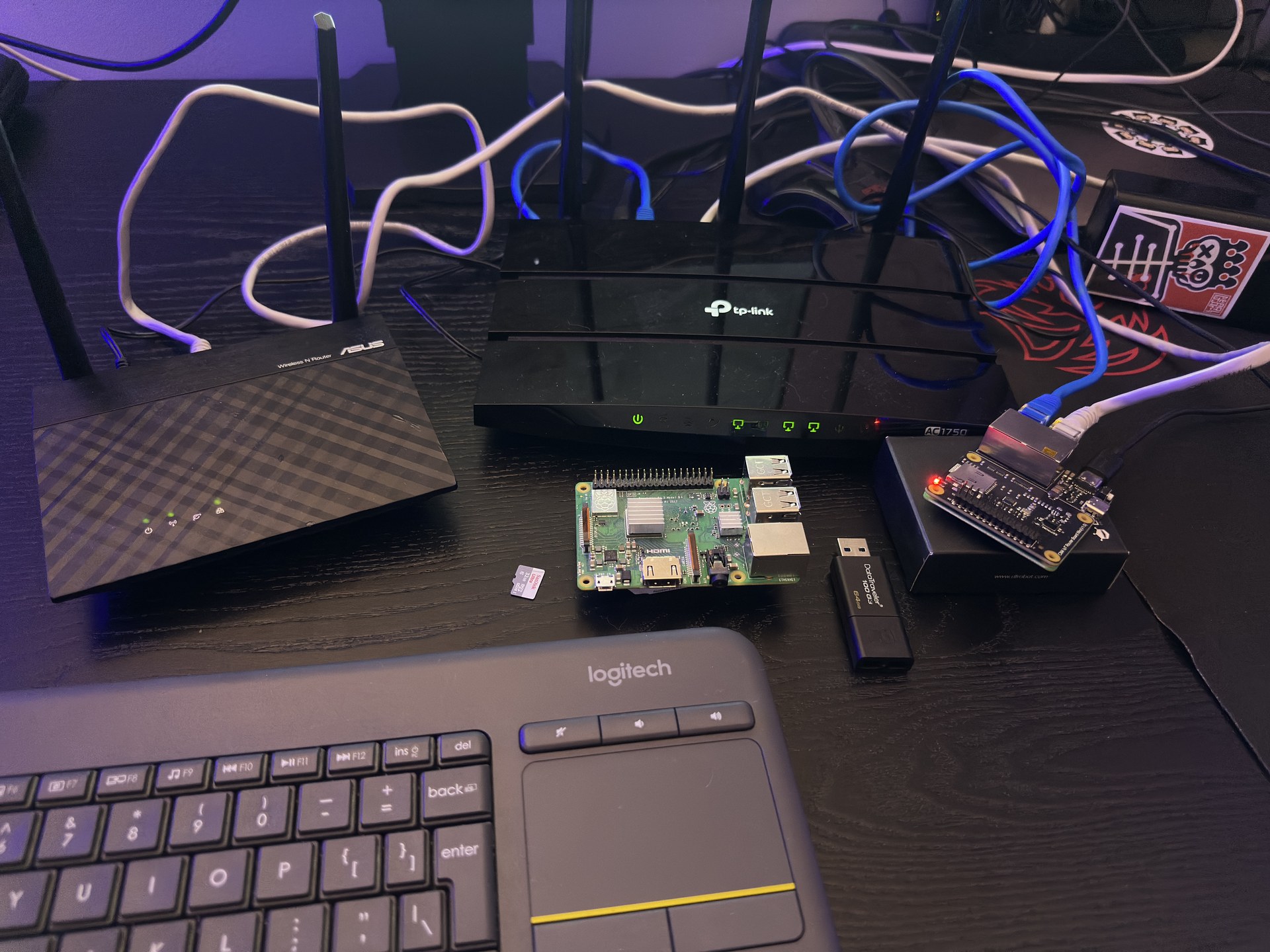
Raspberry Pi automation that survives real life: services, logs, and recovery
Author: Wojciech Patelka
A script is not a system yet
Raspberry Pi projects often begin in a very human way: one useful script, one connected device, one process that saves time. It works on the desk, the terminal is open, and the output looks fine. Then the machine moves into a cabinet, office, workshop, store room, or client site, and the real test begins.
The difference between a script and an automation system is not glamour. It is boring resilience: clean startup, predictable configuration, logs you can read later, and recovery after the power disappears at the worst possible moment.
The reboot test catches more than it should
For small automation projects, the most useful acceptance test is simple: unplug it, plug it back in, and wait. Does the service start without a keyboard? Does it reconnect to the network? Does it find the right files? Does it keep credentials outside the repository? Does it recover after an API timeout?
If the answer is “only when I start it manually”, the project is not ready to be left alone. That does not mean it needs enterprise architecture. It means it needs a few disciplined habits.
Habits that make small automation dependable
- Run it as a service. A
systemdunit gives you startup on boot, restart rules, status checks, and a normal place to look when something fails. - Separate configuration from code. Paths, tokens, URLs, device names, and thresholds should live outside the script. Secrets should never be committed.
- Write logs for tomorrow, not for the developer watching today. Timestamps, clear event names, and error context matter more than clever output.
- Expect the network to be imperfect. Timeouts, retries, backoff, and offline behaviour are not edge cases in the field.
- Document the recovery path. A one-page note with service names, config paths, restart commands, and known failure modes can save hours later.
Observability can stay lightweight
Small systems do not always need a full monitoring stack. They do need enough visibility to answer three questions quickly:
- Is the process running?
- When did it last complete useful work?
- If it failed, what failed first?
Sometimes that means structured logs and a health endpoint. Sometimes it is a local status file, a daily email, or a tiny dashboard. The point is not tooling for its own sake. The point is reducing guesswork when the system is no longer on your desk.
The business value is continuity
The best automation projects rarely feel dramatic after launch. They quietly move data, prepare reports, capture measurements, trigger notifications, or connect tools that used to require manual work. The value appears in fewer interruptions and fewer “can someone check this?” messages.
That is why resilience matters even for small Raspberry Pi work. A fragile script saves time only while someone is watching it. A dependable service saves attention.
If this sounds familiar
Send a short note through the contact section on the home page with the data source, device context, and outcome you need. We can map the smallest reliable version first, then decide whether the project needs a dashboard, integration, or deployment checklist.