People and Algorithms at PUEB: marketing automation, data security, and practical AI
Author: Wojciech Patelka
Two days about making AI work inside organizations
On 23 and 24 June 2026 I took part in People and Algorithms: What It Takes to Make AI Work in Organizations? at Poznan University of Economics and Business. The conference was part of the DIGIT project, “People and algorithms in organizations: competencies to work in the digital environment”, focused on the skills needed for digital work and Marketing 5.0.
That framing matters. It is easy to talk about AI through tools, demos, and big predictions. Inside real organizations, progress depends on something less flashy and more useful: processes, data, and people who understand what the tool is doing, where it helps, and where it should not be trusted blindly.
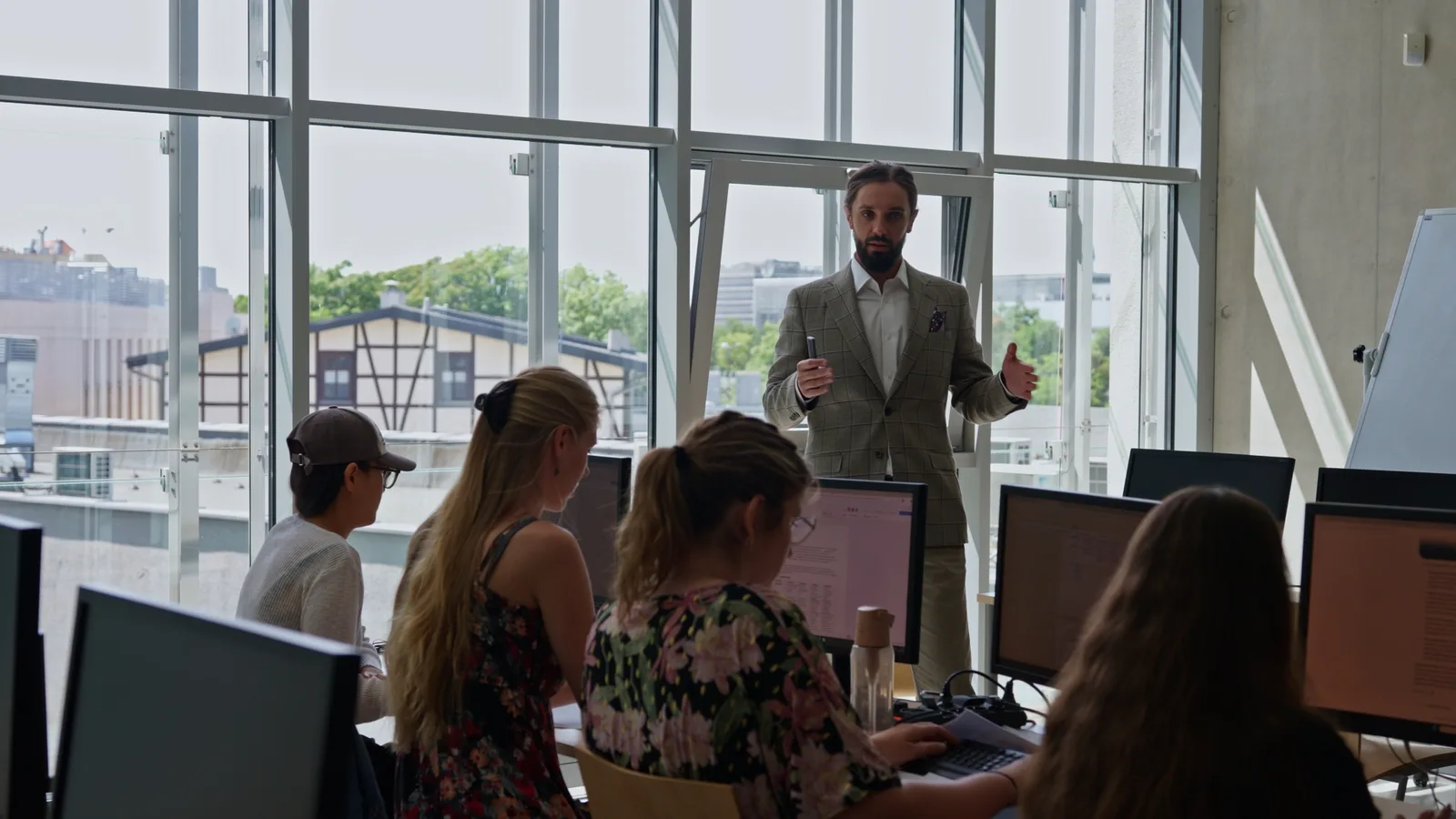
Workshop: marketing automation
On the first day I ran the Polish-language workshop Automatyzacja w marketingu for registered students. I gave participants free access to Claude and Claude Design so they could work on concrete flows, not only hear about the tools. I did not want it to become a “magic prompt” session. The goal was to work through a way of thinking that can be used later in an actual team.
We looked at where automation makes sense and where it only moves chaos from one tool to another. Good automation starts with a repeatable process: input, decision, responsibility, output, and quality control. Only then does it make sense to choose the tool.
The main workshop takeaways:
- Do not automate confusion. If the process is unclear, AI will only produce unclear outcomes faster.
- Keep a human in the loop where reputation or legal risk appears. Automation can prepare material, but accountability must stay visible.
- Build small workflows. One stable process is more valuable than five impressive demos nobody will maintain.
- Measure time and quality, not just excitement. A useful tool should shorten the work cycle or improve the decision, not simply look modern.
Keynote: data security and resilience against disinformation
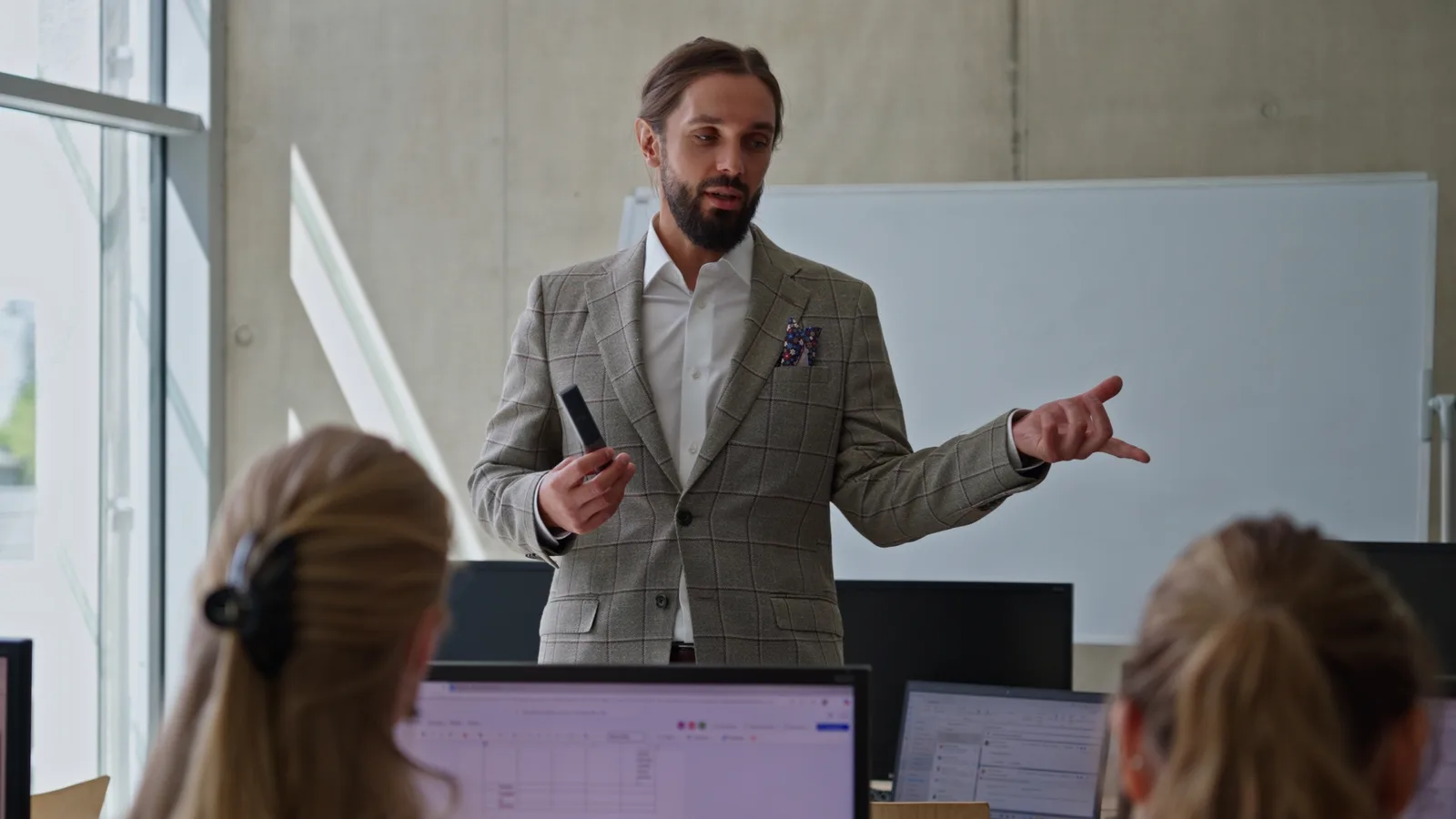
On the second day I gave the keynote Data Security in Organisations, Building Resilience Against Disinformation. For me, this is the natural companion topic to automation. The more our processes depend on data, models, and fast information flow, the more important one question becomes: how do we know we are working with the right material?
Organizational risk is not only about somebody “using AI badly”. It often appears earlier: unverified sources, rushed copying of content, vague access rules, unclear accountability, and work cultures that reward speed more than verification.
That is why resilience against disinformation is not only a media topic. It is an operational competence. It affects marketing, sales, HR, customer service, and leadership teams because all of them make decisions based on information.
Sharing a stage with Prof. Marek Kowalkiewicz
A personal highlight was being in the programme and on the same conference stage as Prof. Marek Kowalkiewicz from Queensland University of Technology. His keynote, Business-to-Algorithm-to-Customer, the Algorithmic Customer Perspective, landed very close to the bigger theme of the event: algorithms are no longer only internal tools. Increasingly, they become participants in the relationship between an organization and its customers.
Also, on a personal note, I am almost finished with his book, so listening to the keynote came with a very satisfying extra layer ;D
What stays with me after the event
The strongest idea I took away is that digital competencies should not be treated as a separate “technology layer”. They are part of normal organizational work. Teams need to understand data, process, automation, security, and accountability because AI does not replace those topics. It exposes them.
If I had to condense the lesson for companies starting with AI in marketing or operations, it would be this: begin with one concrete process, describe the risks, define the human checkpoint, and only then choose the tools. It is less spectacular than a demo, but much closer to business value.
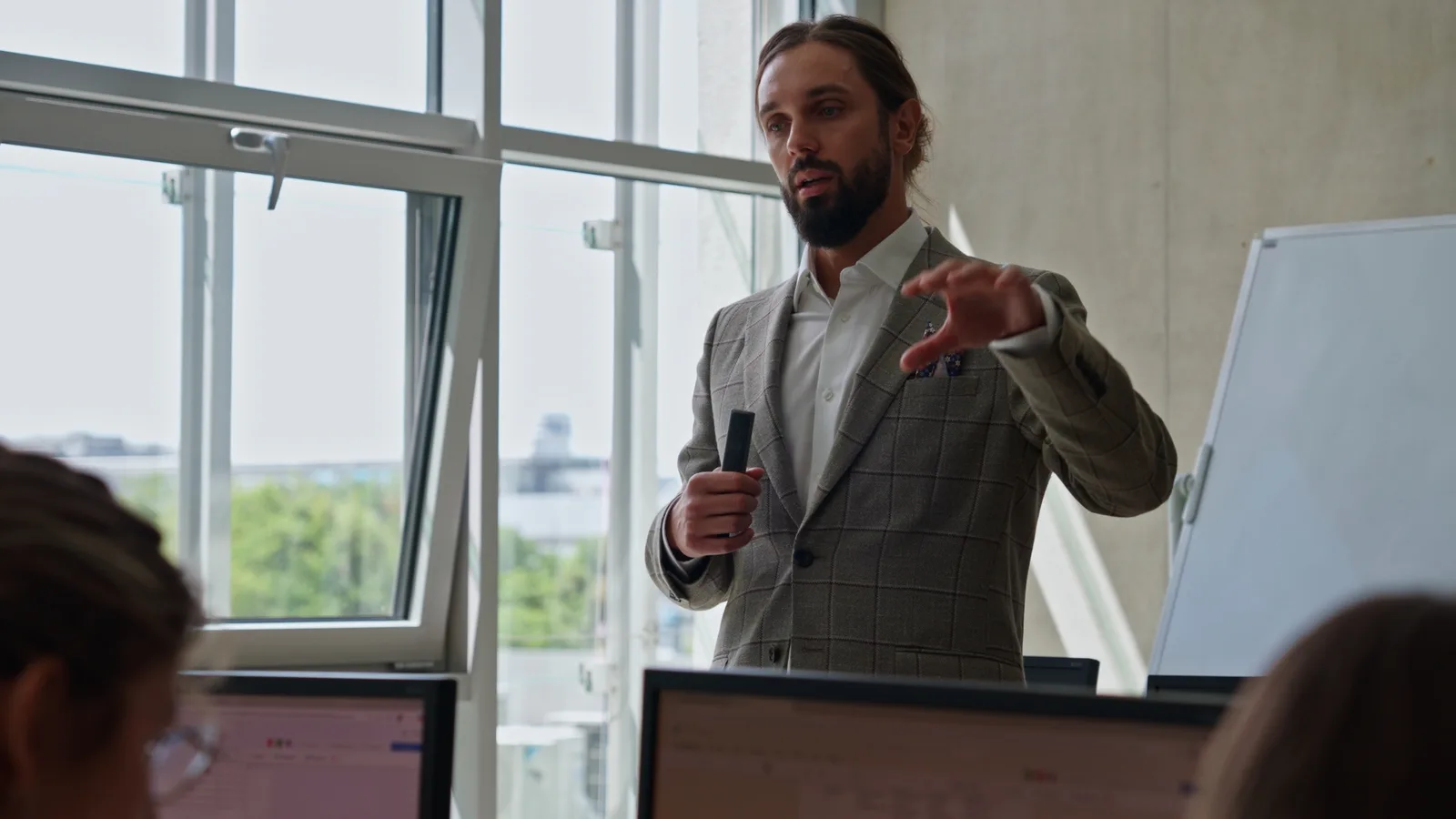
Photos: materials from Poznan University of Economics and Business and the DIGIT project. More context is available on the DIGIT project page and the DIGIT LinkedIn profile.
Want to talk about practical AI in your organization?
I run workshops and implementation work that connect automation, data security, and real team processes. If you want to find where AI can create value without adding chaos, send a note through the contact section.